

Description
-
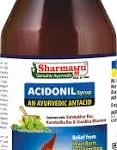
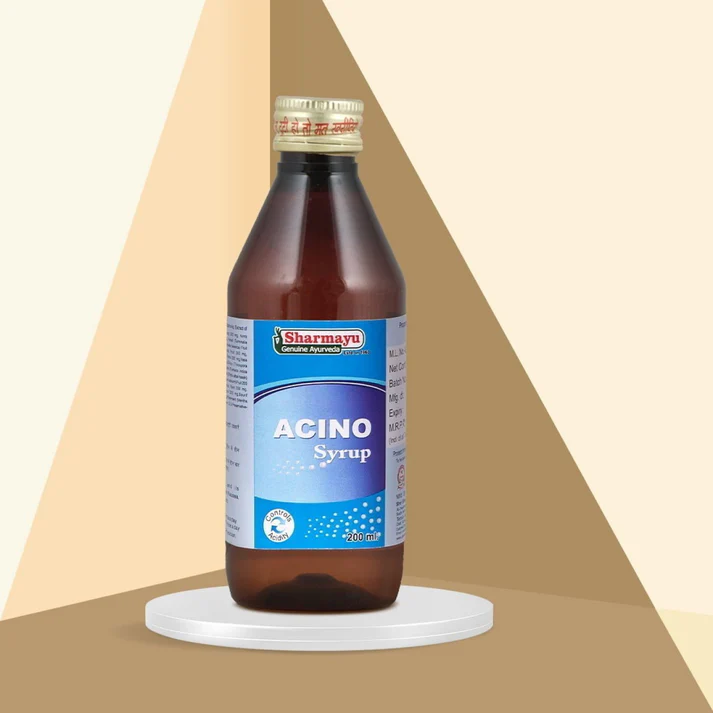
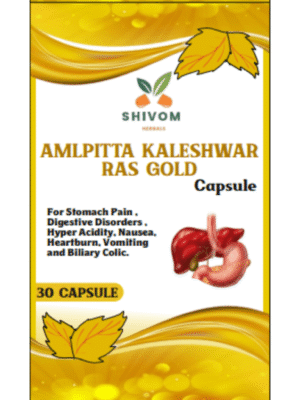
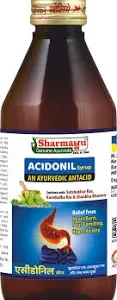
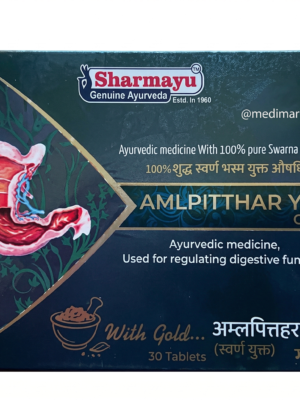
 Ayurvedic antacid intended to help with acidity, excessive gastric acid, and related symptoms.
 -
Attributes that are described: soothes acid reflux, reduces abdominal discomfort, supports liver function, helps with constipation, and aids digestion.
-
Concepts referenced: Ama (toxic toxin), dosh imbalances due to vata and/or kalpa interventions.
Common dosage stated
-
Adults: 10 to 20 ml, three times a day
-
Children: 2.5 to 5 ml, three times a day
-
Or as directed by a physician
Key cautions and considerations
-
Evidence: Ayurvedic formulations like Acino may have traditional usage and anecdotal support, but they may not have the same level of scientific evidence as conventional antacids. Seek medical advice for persistent or severe symptoms.
-
Contraindications: If you have liver disease, kidney disease, gastritis, ulcers, or are taking other medications (especially antacids, proton pump inhibitors, or cytochrome P450–metabolized drugs), consult a clinician before starting.
-
Interactions: Herbal or mineral components can interact with prescription medicines. Do not combine with other antacid products unless advised.
-
For children: Tampering with dosing can be risky; ensure a clinician approves pediatric use and dosing.
Practical guidance
-
Start with the lower adult dose or as advised by a physician, especially if trying it for the first time.
-
Monitor symptoms: if acidity persists beyond a few days, worsens, or if there are alarming symptoms (vomiting blood, severe abdominal pain, unintended weight loss), seek medical care.
-
Use as part of a broader approach: consider dietary and lifestyle modifications (spicy/acidic foods, caffeine, alcohol, late meals) and hydration, which can influence acidity.
Reviews
There are no reviews yet.